FEATURED IN


From IDs to matric certificates, and driver’s licences to Master’s Office services, South Africa is stepping into its digital era, with the Department of Home Affairs (DHA) already blazing a digital trail in enhancing service delivery and security.
In harnessing digital transformation as a driver of growth, inclusion and efficiency, President Cyril Ramaphosa announced in his State of the Nation Address (SONA) on 12 February 2025 that soon, every South African will be able to access many of the civil services they need without visiting a government office or completing manual forms.
Bringing Government within Digital Reach of Citizens
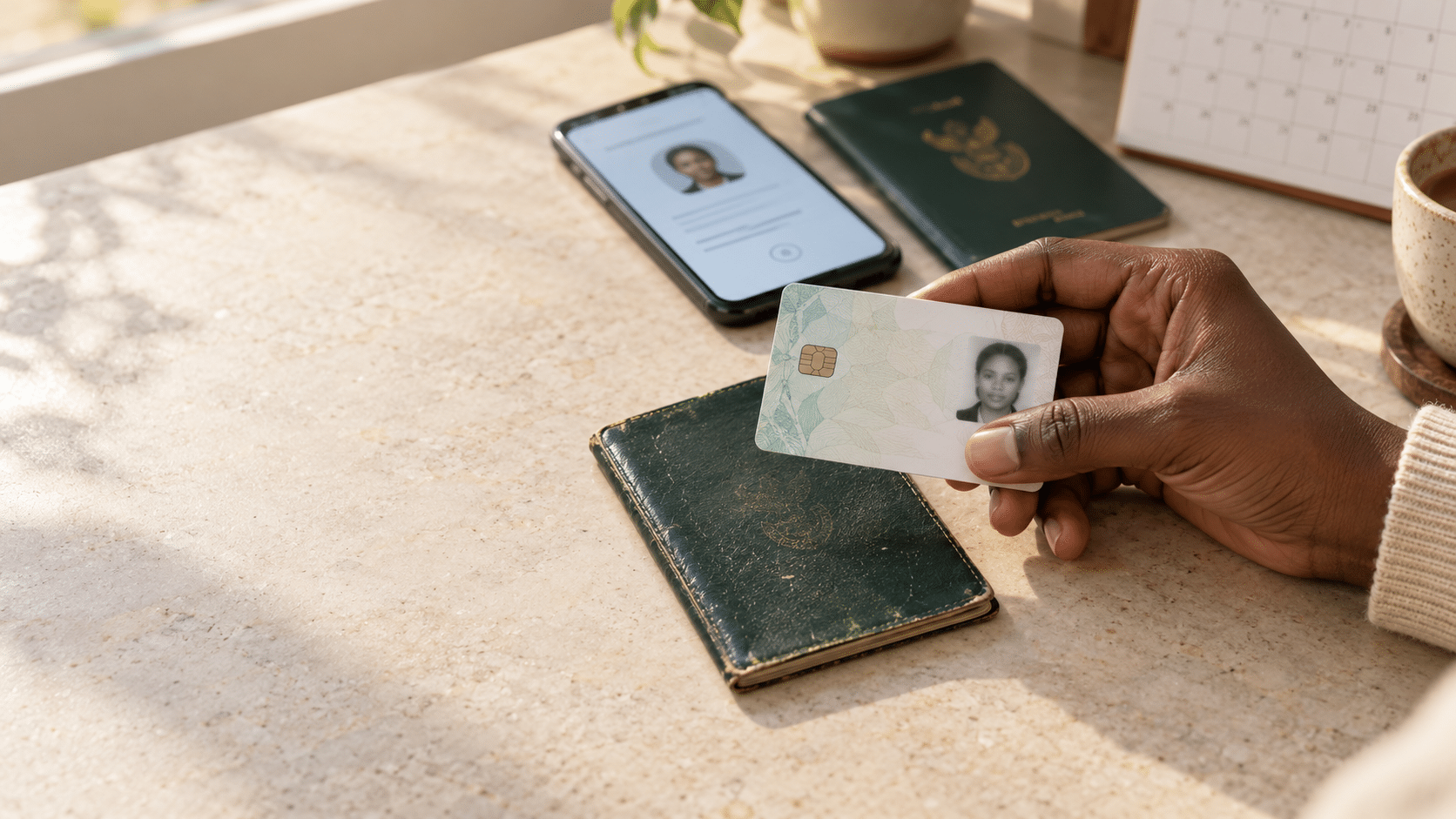
This year, the DHA’s launch of a secure Digital ID will bring essential government services to every South African’s smartphone, said Home Affairs Minister Dr Leon Schreiber following the SONA.
President Ramaphosa announced the country will digitise driver’s licenses and matric certificates. Police statements will be filled out online and social grant eligibility tested remotely. Even services at the Master’s Office, traditionally reliant on paper, are being transformed.
All these services will be made available on the MyMzansi platform.
Home Affairs’ ‘Showpiece Reform’ is Here
During the SONA debate on 17 February 2026, Minister Schreiber was unequivocal: the past 20 months of modernising the DHA were only the foundation.
“In 2026, the best is about to come. Our showpiece reform this year, is Digital ID.”
With core biometric systems already live through the citizenship portal – enabling South Africans who were unconstitutionally deprived of their citizenship to verify and confirm reinstatement online through facial recognition in under an hour – the department is now building the frontend user interface.
Through Digital ID, South Africans will be able to access their enabling documents on their mobile phones, as well as remotely verify their identities using secure facial recognition.
Digital Reform as an Engine of Growth
Minister Schreiber welcomed President Ramaphosa’s breakthrough agenda for his department in SONA 2026, highlighting:
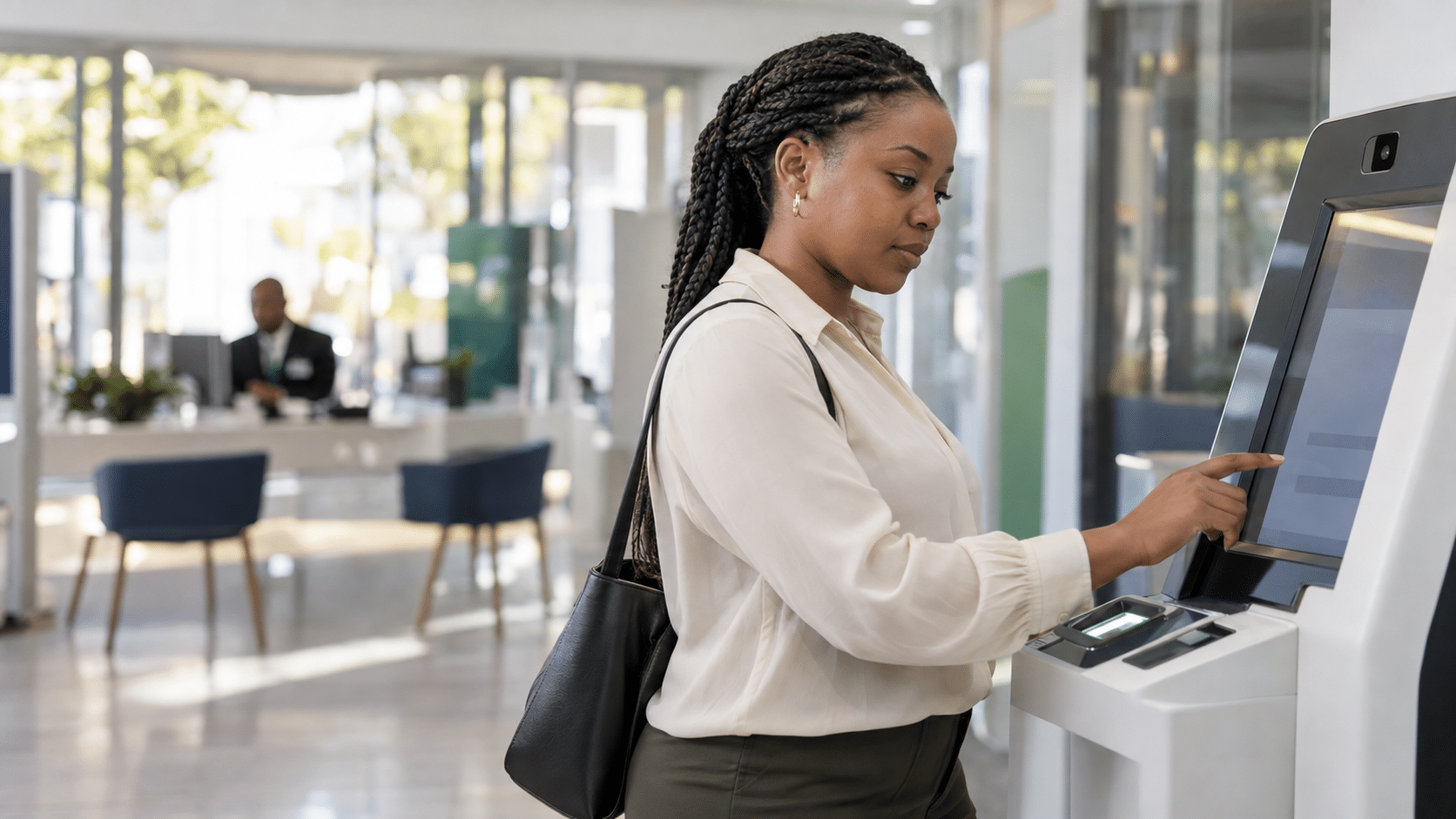
- Nationwide digital rollout of Smart ID and Passport applications at bank branches, shrinking queues and cutting waiting times.
- Electronic Travel Authorisation (ETA), launched by the department last year and described as a groundbreaking system, now scaled up for security and efficiency: this is extended to all countries that require a visa, enabling applications for tourists to be processed digitally within 24 hours.
- ETA will also be rolled out to all international airports and the busiest land ports of entry.
- Prioritised funding to strengthen border security, covering infrastructure, technology and people.
- Public-Private Partnerships to rebuild 6 of the busiest land border posts.
Ramaphosa acknowledged tourism as a vital driver of growth with every 13 international tourist arrivals supporting one job. Last year South Africa’s tourism sector welcomed 10.5 million visitors.
A Smarter, More Secure Home Affairs
The accelerated replacement of the green ID book is another milestone. The DHA already said in 2025 with nearly 18 million South Africans still using the older document, which is vulnerable to fraud and abuse, the push toward secure digital identity systems protect the integrity of the National Population Register and strengthens national security.
Under Minister Schreiber the delivery of Smart ID cards has reached its highest ever level, with more delivered in 2025 than any previous year.
So far in 2026, the DHA has already opened numerous new Home Affairs offices and service centres, including the upcoming site at the Cape Town Civic Centre, and expanded overseas service centres to 25 global cities, allowing South Africans abroad to receive passports within weeks.
This expansion now covers key cities across Canada, the United Kingdom, France, the Netherlands, Germany, the United States, the United Arab Emirates, Australia, New Zealand, and China.
The continued rollout of the Trusted Employer and Trusted Tour Operator schemes, which support tourism, investment, and job creation, is another feather in DHA’s cap, the Minister said during a few months ago.
From Bureaucratic Bottleneck to Digital Reform Leader
This transformation aligns directly with Minister Schreiber’s vision for the department. In a 2025 interview, he noted:
“We are taking a department that has long been maligned as almost the symbol of government inefficiency and demonstrating that things can get better when we really focus on reform and embrace digital transformation.”
While digitalisation alone cannot resolve every systemic challenge, it provides the foundation for meaningful reform, he said at the time. By re-engineering processes, eliminating unnecessary steps, reducing redundant documentation requirements, and automating core functions, the DHA is reshaping not only how services are delivered, but how government itself operates.
Jaco Brits, Head of Immigration at Xpatweb, observes that these reforms are helping to create a more enabling environment for economic growth, positioning Home Affairs as a facilitator of investment, tourism and job creation.
Framed against President Ramaphosa’s call in SONA to build a capable, ethical and developmental state, the Department’s digital drive represents more than modernisation. It signals a shift from bureaucracy to responsiveness, from paper to platform, and from inefficiency to impact.
Brits says: “To quote the President’s words, this is a significant step toward ‘the work that must be undertaken together to build a South Africa that is more prosperous, inclusive, peaceful, united and ultimately more equal.’ ”